
Stocking an authentic Italian pantry means choosing named-origin olive oil, real IGP vinegar and tinned tomatoes built for slow cooking, not a random shelf of italian groceries picked up at the supermarket. Best overall Italian pantry essential in 2026: Olea Pia Bimbo Extra Virgin Olive Oil 500mL, a single-origin Taggiasca oil from Liguria. Best for heat and pizza nights: Olea Pia Chilli Oil 250mL Tin. Best for salad dressing and glazes: Artisan Italian Balsamic Vinegar of Modena IGP 250mL.
- Olea Pia Bimbo Extra Virgin Olive Oil 500mL is the best all-purpose italian groceries pick for everyday cooking in 2026.
- Olea Pia Chilli Oil 250mL Tin wins for pizza and pasta nights that need real heat, not a drizzle.
- Balsamic Vinegar of Modena IGP 250mL beats supermarket balsamic for salad dressing and glazes.
- Whole peeled tomatoes outperform passata for a slow-cooked pasta sauce with real texture.
- Six italian groceries cover oil, heat, acid, sauce, pasta and dough on one shelf.
Why this matters
Most Australian pantries have an olive oil bottle with no region on the label and a jar of dried herbs that has lost its smell. That's not an Italian pantry, it's a supermarket shelf with an Italian name printed on it.
Three Olives Pantry stocks Mediterranean groceries by origin, not by brand marketing, which is the difference between an oil that tastes like something and one that tastes like nothing. The picks below are ranked on real cooking use cases, not on which bottle looks best in a photo.
Every item earns a place because it does a job no other staple in the pantry does as well, in 2026 or any other year.
What makes the best Italian pantry essentials
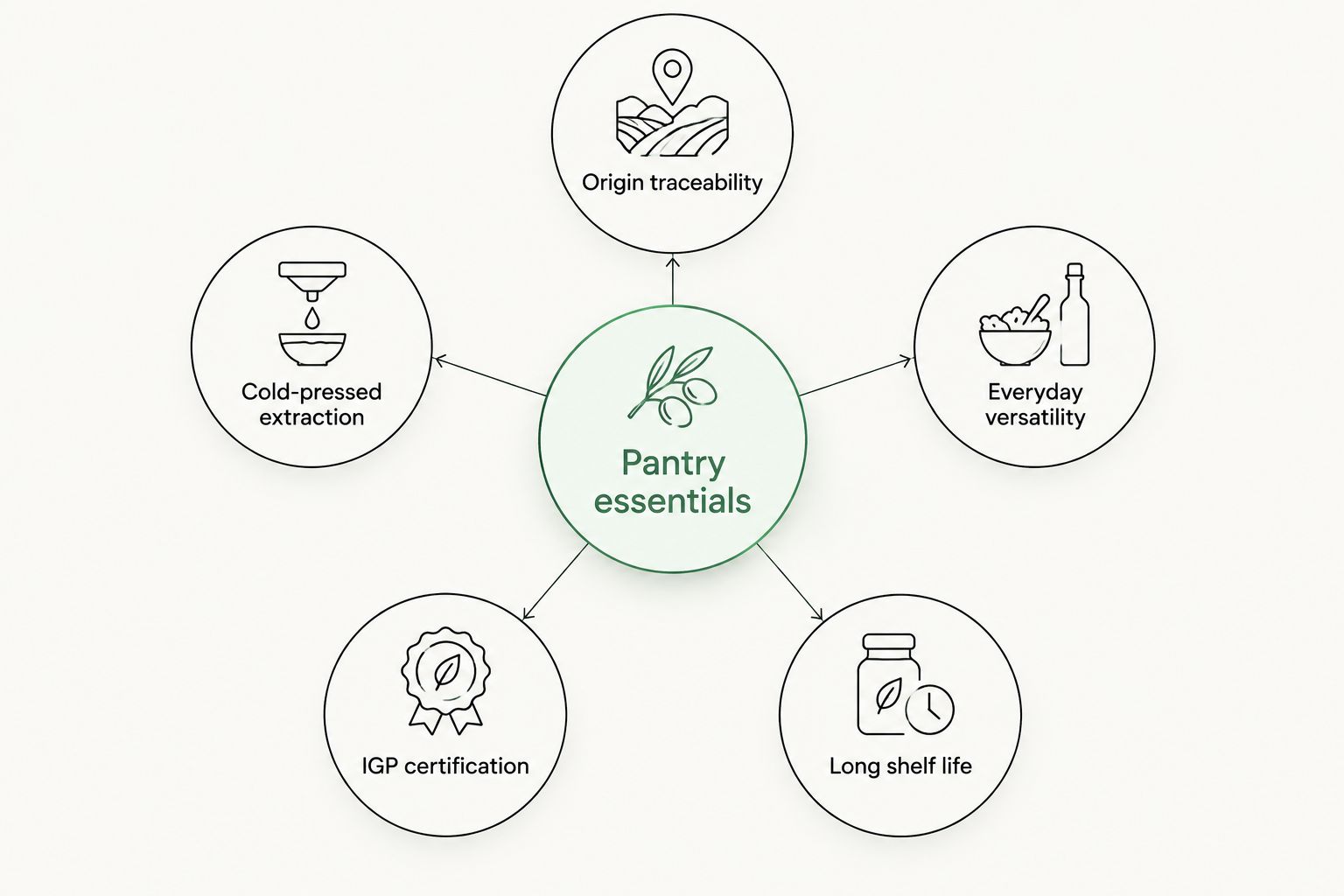
- Origin traceability — the region and, ideally, the olive varietal or grape named on the label
- Cold-pressed extraction and a recent harvest for oils, since old oil turns flat and bitter
- Everyday versatility across frying, dressing and finishing, not a one-trick condiment
- Certification where it matters — IGP, organic or gluten-free, backed by the label, not the marketing copy
- Long pantry shelf life without refrigeration, so it earns its cupboard space
Italian pantry essentials at a glance
| Item | Best for | Standout feature | Key limitation |
|---|---|---|---|
| Olea Pia Bimbo Extra Virgin Olive Oil 500mL | Everyday cooking and dressing | Single-origin Taggiasca olives from Liguria | Delicate flavour gets lost in high-heat frying |
| Olea Pia Chilli Oil 250mL Tin | Pizza, pasta and grilled vegetables | Organic Tuscan-style chilli heat in a tin | Not a substitute for a neutral cooking oil |
| Balsamic Vinegar of Modena IGP 250mL | Salad dressing and glazes | Protected Geographical Indication from Modena | Too sharp on delicate fish without dilution |
| Whole peeled Italian tomatoes | Slow-cooked pasta sauce | Whole fruit that hand-crushes into real texture | Needs a longer simmer than ready-made passata |
| Italian pasta shapes | Weeknight pasta dinners | Bronze-die texture that holds sauce | Cooking time varies a lot by shape |
| 00 flour | Homemade pizza and pasta dough | Fine milling gives elastic, stretchy dough | Needs longer proofing than plain flour |
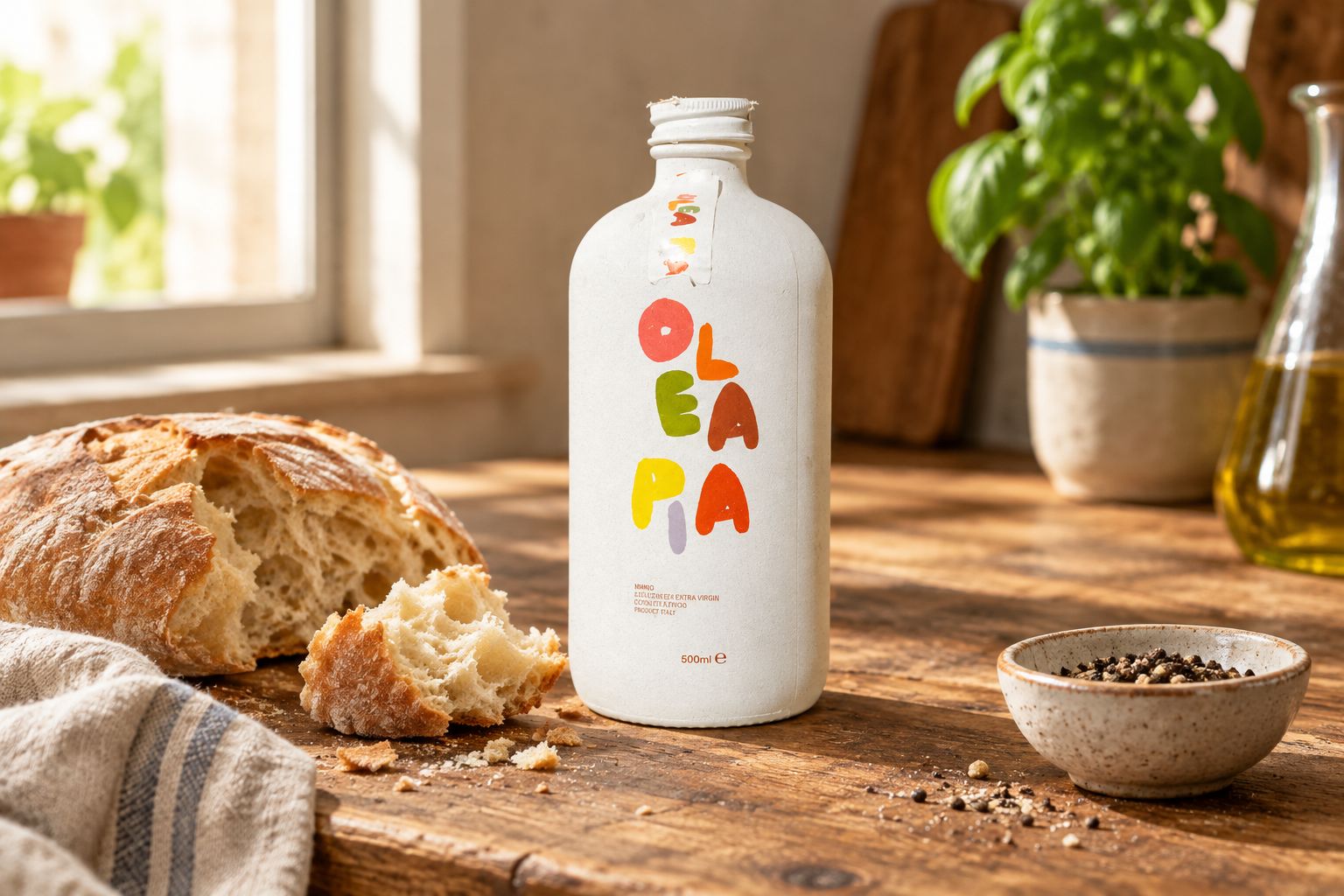
1. Olea Pia Bimbo Extra Virgin Olive Oil 500mL: best Italian olive oil for everyday cooking
This is a Taggiasca extra virgin olive oil from Liguria, the small, low-acidity olive that gives Ligurian oil its mild, buttery character compared to the sharper Coratina and Frantoio oils common further south. It works as an everyday cooking oil, a bread dip and a finishing pour without overpowering a dish.
Olea Pia Bimbo pros:
- Single-origin traceability back to Liguria
- Mild enough for raw use over bread, fish or vegetables
- Bottle size suits regular weekly cooking, not just special occasions
Olea Pia Bimbo cons:
- Too subtle to stand up to deep frying
- Not the pick if you want a peppery, robust southern Italian style
Best for: home cooks who want one bottle that does dressing, sautéing and finishing. Verdict: Buy.
2. Olea Pia Chilli Oil 250mL Tin: best Italian pantry staple for pizza and pasta nights
Olea Pia Chilli Oil 250mL Tin is an olive oil built around Tuscan-style chilli heat, made for finishing pizza slices, arrabbiata pasta and roasted vegetables rather than as a base cooking oil. A tin format also keeps it fresher for longer than a clear glass bottle left on a shelf near a window.
Olea Pia Chilli Oil pros:
- Genuine heat, not a mild novelty chilli oil
- Tin packaging protects flavour from light
- Small tin format suits occasional use without waste
Olea Pia Chilli Oil cons:
- Too intense to use as an everyday cooking oil
- Heat level won't suit every palate at the table
Best for: anyone who wants real spice on pizza and pasta without reaching for hot sauce. Verdict: Buy.
3. Balsamic Vinegar of Modena IGP 250mL: best Italian vinegar for salad dressing and glazes
Artisan Italian Balsamic Vinegar of Modena IGP 250mL carries Protected Geographical Indication status from Modena, which means the production method and origin are regulated, not just the label design. It's built for salad dressing, reduced glazes and finishing roasted vegetables.
Balsamic Vinegar of Modena IGP pros:
- IGP status backs up the Modena origin claim
- Works cold in dressings or reduced into a glaze
- One bottle covers both savoury and dessert applications
Balsamic Vinegar of Modena IGP cons:
- Sharp acidity needs oil or honey to balance in some dressings
- Not a substitute for a true aged aceto balsamico tradizionale
Best for: cooks who want one vinegar that does dressings and glazes properly. Verdict: Buy.
4. Whole peeled Italian tomatoes: best Italian pantry staple for slow-cooked sauce
Whole peeled tomatoes hand-crush into a chunkier, more textured sauce than passata straight from a bottle, which matters for a proper ragù or a Sunday sauce that simmers for an hour or more. They cost less shelf space to store than fresh tomatoes and hold their flavour year-round.
Whole peeled tomatoes pros:
- Better texture control than pre-blended passata
- Long pantry shelf life, no refrigeration needed
- Base for sauce, soup and braises, not just pasta
Whole peeled tomatoes cons:
- Needs a longer simmer to break down fully
- More prep work than a jar of ready-made sauce
Best for: anyone making sauce from scratch rather than reheating a jar. Verdict: Buy.
5. Italian pasta shapes: best for weeknight dinners
A bronze-die pasta, like a large shell shape such as Mamma Isa Pasta Conchiglioni, has a rougher surface than a Teflon-die pasta, which lets sauce cling instead of sliding off. Shape matters more than most home cooks think: a shell holds a chunky ragù, while a long strand suits an oil-based sauce.
Italian pasta shapes pros:
- Rougher bronze-die texture holds sauce properly
- Different shapes suit different sauce styles
- Reliable pantry staple with a long shelf life
Italian pasta shapes cons:
- Cooking times vary by shape and brand
- Easy to overcook if you're not watching the clock
Best for: weeknight dinners where the sauce needs to actually stay on the pasta. Verdict: Buy.
6. 00 flour: best for homemade pizza and pasta dough
00 flour is milled far finer than standard plain flour, which gives pizza and pasta dough more stretch and a smoother finish. It's not a flour for everyday baking, it's a specialist ingredient for two specific doughs.
00 flour pros:
- Fine milling gives elastic, stretchy dough
- Suits both pizza bases and hand-rolled pasta
00 flour cons:
- Needs a longer proof than standard flour recipes assume
- Overkill if you only bake occasional bread
Best for: home cooks making pizza or pasta dough from scratch, not banana bread. Verdict: Buy if you make dough regularly, Skip if you don't.


How we ranked
Each item was measured against the five criteria above: origin, extraction or milling method, everyday versatility, certification and shelf life. A staple only made the list if it does a job the others don't, which is why the ranking reads as six distinct roles rather than six bottles competing for the same shelf space.
Which Italian pantry essential should you choose in 2026?
If you're starting from nothing, buy Olea Pia Bimbo Extra Virgin Olive Oil 500mL first — it covers most cooking on its own. Add Olea Pia Chilli Oil 250mL Tin next if pizza and pasta nights are a regular thing in your house, and bring in the Balsamic Vinegar of Modena IGP 250mL once you're dressing salads more often than not.
Tinned tomatoes, a bronze-die pasta and 00 flour round out the shelf for anyone cooking Italian more than once a week in 2026. That's a working italian groceries pantry, not a decoration.
“If the olive oil doesn't name a region on the label, it's a blend built for shelf life, not flavour.”
FAQ
What are the must-have italian groceries for a home pantry?
A single-origin extra virgin olive oil, a proper balsamic vinegar, whole peeled tomatoes, a bronze-die pasta and 00 flour cover most Italian cooking. Chilli oil is worth adding if you cook pizza or arrabbiata pasta regularly.
Is Ligurian olive oil different from other Italian regional oils?
Yes. Ligurian oil made from Taggiasca olives is milder and lower in acidity than southern Italian oils made from Coratina or Frantoio olives. It suits raw use over bread and fish better than a peppery southern-style oil.
What does IGP mean on a balsamic vinegar label?
IGP stands for Protected Geographical Indication, a regulated status that ties production method and origin to a specific region such as Modena. It's a stronger guarantee of authenticity than an unregulated "balsamic style" vinegar.
Can chilli oil replace regular olive oil for cooking?
No. Chilli oil is a finishing oil for heat and flavour, not a neutral cooking base. Keep a separate everyday olive oil for frying and sautéing.
What Italian pasta shape works best for a quick weeknight dinner?
A shorter shape like a large shell or a tube holds chunky sauce well and cooks faster than long dried strands. Bronze-die pasta grips sauce better than a smooth Teflon-die shape regardless of size.
Is 00 flour necessary for homemade pizza dough?
It's not strictly necessary, but 00 flour's fine milling gives a stretchier, more elastic dough than standard plain flour. Skip it if you only bake occasionally and don't want a second flour in the pantry.
How should Italian olive oil be stored to stay fresh?
Keep it away from direct light and heat, ideally in a dark cupboard rather than next to the stove. A tin, like the chilli oil format, protects flavour better than clear glass left on a windowsill.
Are whole peeled tomatoes better than passata for pasta sauce?
For a slow-cooked sauce, yes. Whole peeled tomatoes hand-crush into a chunkier texture that holds up over a long simmer, where passata is already smooth before it hits the pan.
One last thing
The Taggiasca olive behind a Ligurian oil like Olea Pia Bimbo is genuinely smaller and lower in acidity than the olives used further south in Italy, which is the actual reason it tastes gentler poured raw over bread than a bottled EVOO from Puglia. That's not marketing language, it's the varietal doing the work — and it's the detail worth checking on any Italian olive oil label before you buy in 2026.